F1 Engine Rule Shake-Up: Hot Testing Closes Compression Ratio Loophole and Levels the Playing Field
Formula 1, a sport synonymous with cutting-edge technology and relentless competition, has once again showcased its unique blend of engineering brilliance and political maneuvering. The pre-season period leading up to the 2024 season was dominated not by lap times, but by a highly technical, yet fiercely contested, debate over engine regulations. At the heart of this storm was the compression ratio – a seemingly arcane measurement that threatened to give certain teams a significant, and potentially unfair, performance advantage. Thanks to a unanimous agreement among manufacturers and the vigilant intervention of the FIA, a crucial loophole has been closed, ensuring that the playing field for the highly anticipated 2026 engine regulations remains level.
The Compression Ratio Conundrum: Unpacking the Technical Loophole
To understand the crux of the recent F1 engine rule dispute, one must first grasp the concept of the compression ratio. In essence, the compression ratio is a fundamental metric in internal combustion engines, defining the ratio between the volume of the cylinder when the piston is at its lowest point (Bottom Dead Centre) and when it's at its highest (Top Dead Centre). A higher compression ratio generally means more efficient combustion and, consequently, more power. For F1's current and future power units, the FIA set a maximum compression ratio limit of 16:1 – a critical boundary designed to control performance, ensure reliability, and promote parity among competitors.
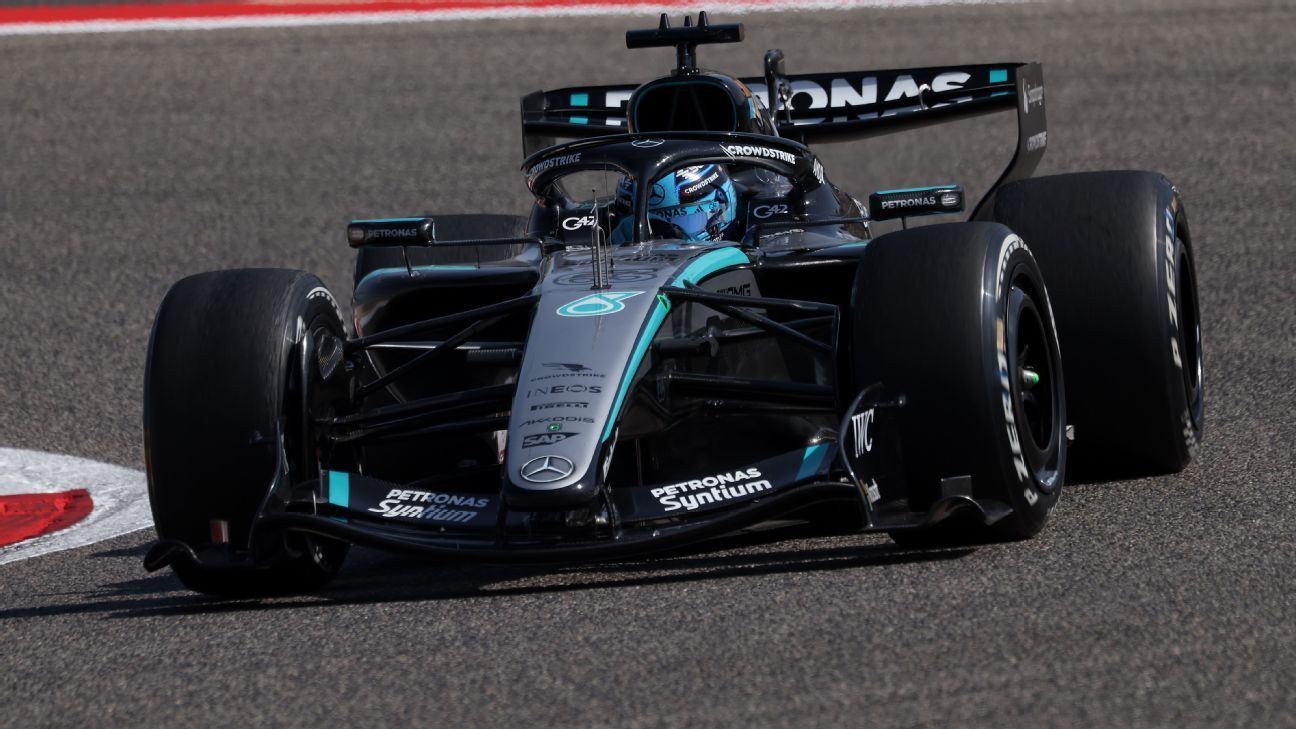
The controversy erupted when it became clear that some manufacturers, notably Mercedes, had identified a clever workaround. The existing rules stipulated that the compression ratio measurements were only taken when the engine was cold. This seemingly minor detail opened a significant loophole. Engineers, leveraging advanced materials science and thermal dynamics, could design an engine where the compression ratio *when cold* complied with the 16:1 limit. However, once the engine reached its operational temperature – hundreds of degrees Celsius during a race – the expansion and contraction of components could subtly alter the internal geometry, effectively allowing the engine to operate with a compression ratio *exceeding* the legal limit.
This ingenious, albeit controversial, interpretation of the rules meant that a performance advantage could be gained, with some estimates suggesting a non-trivial boost in power. While Mercedes was the primary focus of the initial concerns, reports indicated that Red Bull/Ford Powertrains might have also been exploring similar avenues. Naturally, rival manufacturers like Ferrari, Audi, and Honda, upon realizing the potential disparity, raised serious objections. They argued that such a loophole undermined the spirit of the regulations and threatened to create an uneven competitive landscape for the transformative 2026 power unit era. This kind of intricate technical battle is a hallmark of F1, where the boundaries of engineering and regulation are constantly pushed. For a deeper dive into how these rivalries played out, you can explore
Mercedes vs. Rivals: F1's Compression Ratio Row Leads to New Engine Rules.
From Controversy to Consensus: How the FIA Stepped In
The compression ratio row quickly escalated from a technical footnote to a dominant storyline during the pre-season car launches and testing. The prospect of multiple protests against cars in Australia, the opening race of the 2024 season, loomed large, threatening to overshadow the on-track action with legal disputes. Recognizing the gravity of the situation, F1's governing body, the FIA, sprang into action.
Multiple rounds of talks were held involving all the key stakeholders: the engine manufacturers themselves, F1 management, and the FIA. These discussions, often tense, aimed to find a resolution that satisfied all parties and upheld the integrity of the sport. Initially, the FIA proposed a vote in Bahrain for the introduction of both hot and cold engine testing from August 1st. However, after further intense negotiations and a collective commitment to avoid a contentious start to the season, a "compromise solution" was unanimously approved by all power unit manufacturers.
The breakthrough announcement came from the FIA:
- Effective **June 1, 2024**, both hot and cold testing of engine compression ratios will be introduced. This immediate change ensures that any potential loopholes are closed well in advance of the 2026 regulations coming into full effect.
- From **2027 onwards**, the testing regime will be further refined. Compression ratios will *only* be measured under operating conditions, specifically at a temperature of 130ºC. This future-proofs the regulations, aligning the measurement directly with the engine's real-world performance parameters.
This swift and decisive action highlights the FIA's commitment to adapting regulations in real-time to maintain fairness. It also underscores the intricate political dance within F1, where even the most technical disputes require strong leadership and a willingness to find common ground, as Mercedes, despite initially defending its position, ultimately joined the unanimous vote.
Implications for the 2026 Season and Beyond: A Level Playing Field?
The agreement to implement hot testing of compression ratios marks a crucial turning point for the 2026 F1 engine regulations. These new regulations, as an FIA spokesperson noted, represent "one of the biggest changes in recent memory," introducing significant shifts in power unit architecture and a greater emphasis on electrical energy.
This rule adjustment ensures that all manufacturers will now develop their 2026 power units with the full understanding that their compression ratio will be scrutinized under realistic operating conditions. This eliminates any incentive to exploit temperature-dependent material properties for an unfair gain, compelling engineers to adhere strictly to the 16:1 limit throughout the engine's operational cycle. The competitive focus will shift back squarely to genuine innovation within the defined parameters, rather than clever rule interpretation.
For engine designers, this means even more rigorous attention to detail in material selection and thermal management. They must now ensure that their engine components maintain the required dimensional stability and compression ratio across the entire operating temperature range, preventing any deviation that could lead to non-compliance. This added layer of engineering challenge will undoubtedly push the boundaries of materials science and combustion efficiency within the regulated framework.
Beyond compression ratios, the FIA and F1 are continuing to evaluate other aspects of the 2026 rules, particularly concerning "energy management matters." Concerns have been raised by drivers and teams during testing about the battery charging demands of the new cars and their potential impact on racing quality. F1 CEO Stefano Domenicali has urged patience but affirmed that the sport would not hesitate to intervene if necessary to ensure exciting racing. This holistic approach to regulation demonstrates a proactive stance to ensure the success and fairness of the next generation of F1 power units. To learn more about the specifics of these upcoming changes, check out
F1 Engine Rules 2024-2027: New Compression Ratio Testing Explained.
This rule change serves as a prime example of F1's dynamic nature, where regulations are not static but evolve in response to technological advancements and competitive pressures. It reinforces the principle that while innovation is encouraged, it must operate within the spirit of fair competition.
Conclusion
The F1 engine rule shake-up, centered around the compression ratio loophole and the introduction of hot testing, represents a significant victory for fair play and the spirit of competition in Formula 1. What began as a highly technical dispute, almost imperceptible to the casual fan, quickly became a crucial test of the sport's regulatory framework. The unanimous agreement among rival manufacturers, brokered by the FIA, demonstrates a collective commitment to maintaining a level playing field, particularly as the sport gears up for the revolutionary 2026 engine regulations. By ensuring that engine performance is measured under true operational conditions, F1 has closed a potential avenue for unfair advantage, channeling manufacturer ingenuity towards genuine innovation rather than exploiting loopholes. This swift action safeguards the integrity of future F1 seasons, promising a more equitable and fiercely contested championship for years to come.